Signs Your Dog Is Stressed at the Groomer, and What a Low-Stress Groom Looks Like
Dogs rarely say "I'm scared" loudly, so owners need to know the small signals that come first.
October 21, 2026 · 4 min read
Most dogs who dread the groomer never bark about it. They go quiet, hold still, and wait for it to be over. Owners read that stillness as good behavior, and the dog gets sent through the same routine again next time. If you want grooming to get easier for your dog instead of harder, the first skill to learn is reading what your dog is already telling you.
The small signals that come first
Stress in dogs usually shows up in the body long before it shows up as noise. Watch for lip licking when there's no food around, repeated yawning, and a tongue that flicks out quickly and tucks back in. A dog who turns their head away, shows the whites of their eyes, or keeps their ears pinned back is asking for a little space.
Posture matters too. A dog who is comfortable has loose shoulders and a soft, wiggly body. A dog who is worried goes stiff, lowers their weight, or tucks their tail. Some dogs freeze completely. Others shake, as if they were drying off, when nothing is wet. That shake is often a way of letting go of tension, and it's worth noticing when it happens mid-appointment.
Then there are the louder signs: panting in a cool room, drooling more than usual, trying to back out of a doorway, or refusing a treat they'd normally snatch. A dog who won't eat a favorite snack is usually too nervous to enjoy it. Growling or snapping is not a bad dog being bad. It's a dog who ran out of quieter ways to say stop.
What stress looks like when you pick them up
Some of the clearest clues show up afterward. A dog who bolts for the car, clings to you, or sleeps for hours may have spent the whole visit holding it together. Others come home wired and zoomy, burning off nerves. Neither reaction means the groom went badly by itself, but a pattern is worth paying attention to. If the same behavior follows every visit, the setup needs to change, not the dog.
Pay attention to what happens before the appointment as well. Does your dog hide when the leash comes out, or refuse to get in the car? Dogs remember. If the last visit felt overwhelming, they'll start worrying in the driveway.
What a low-stress groom actually looks like
A low-stress groom isn't about being fast or about getting every dog to love every moment. It's about keeping the dog under the point where they panic. That takes a few concrete things.
- One dog at a time, so there's no barking, buzzing, and bustle from other animals in the room.
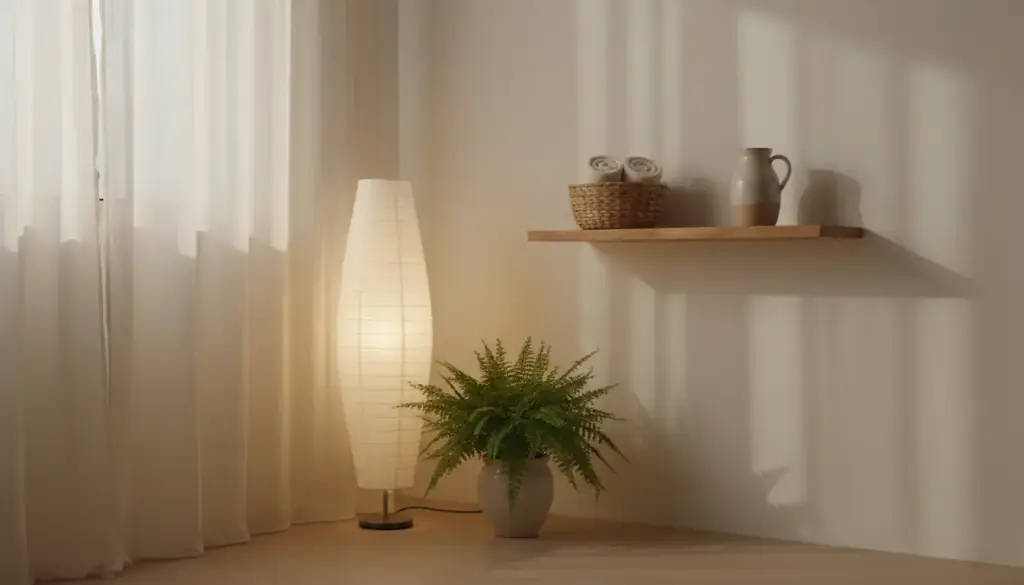
- A quiet space with soft lighting and soothing music, so sudden sounds don't spike the dog's nerves.
- Handling that matches the dog: slow hands, calm words, and pauses when the dog needs one.
- Breaks built into the visit, not treated as a failure, so a dog can shake off, sniff, and reset.
- A comfortable place to rest between steps, not a tiny cage where the dog can only wait and worry.
None of that is fancy. It's mostly about removing the things that pile stress onto a dog and giving them room to cope. When the environment is calm, a lot of dogs who were labeled difficult turn out to be fine.
Why the pace matters
Dogs learn from how a handling session feels, not from how it ends. If a dog is pushed past their limit and then released, they learn that the nail trimmer or dryer is something to fear. If the groomer pauses at the first sign of worry, offers reassurance, and picks the task back up gently, the dog learns that they have some say and that the hard parts end. Over several visits, that adds up to a dog who walks in with a looser body.
That's the idea behind the approach at Paws and Relax Pet Spa in Gallant. Briana Smith works with one dog at a time, in a space with soft lighting, soothing music, and minimal distractions, and she adjusts her handling to each dog's personality. Dogs who need extra support get breaks and gentle reassurance along the way.
What you can do as the owner
You can help by telling the groomer what you've noticed at home. Mention the touches your dog dislikes, whether feet, face, tail, or belly. Share what has gone badly before. Say if your dog startles at the dryer or the sound of clippers, and whether they tend to nip when cornered. This isn't tattling on your dog. It's the information that lets a groomer plan a visit your dog can actually handle.
Practice a little at home, too. Touch your dog's paws and ears for a second or two and then give a treat. Keep it short and pleasant. If your dog's behavior around handling is intense or sudden, or if you suspect pain is part of it, ask your vet before assuming it's all nerves.
If your dog has had a rough time at other groomers, or you simply want a quieter setup, Paws and Relax is at 1348 Pleasant Valley Road in Gallant, open by appointment Monday through Sunday, 7:30 am to 7:00 pm. Call (256) 305-3387 or use the contact page on this site to talk through your dog's needs before you book.
Paws and Relax Pet Spa, (256) 305-3387
Call (256) 305-3387More articles
Crate Versus Play Kennel: Why Where Your Dog Waits During a Groom Matters
The time between steps is part of the groom, and for many dogs it's the hardest part.
Getting an Anxious or Rescue Dog Ready for Their First Grooming Appointment
A little preparation at home, and a few honest words with the groomer, can change how the first visit feels.